
We can find the retained earnings (shown as reinvested earnings) on the equity section of the company’s balance sheet. Your business has a positive net income when revenues exceed expenses. On the other hand, you have a negative net income, also known as net loss, if all of your expenses exceed all of your revenues. NI, like other accounting measures, is susceptible to manipulation through aggressive revenue recognition or hiding expenses.
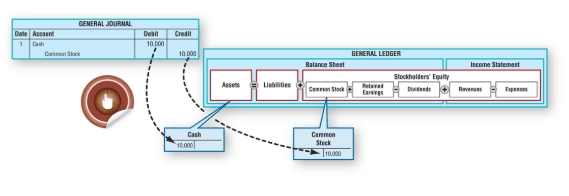
How to interpret retained earnings
Undistributed earnings are retained for reinvestment back into the business, such as for inventory and fixed asset purchases or paying off liabilities. A negative balance in the retained earnings account is called an accumulated deficit. Retained Earnings are reported on the balance sheet under the shareholder’s equity section at the end of each virtual accountant accounting period. To calculate RE, the beginning RE balance is added to the net income or reduced by a net loss and then dividend payouts are subtracted. A summary report called a statement of retained earnings is also maintained, outlining the changes in RE for a specific period.
Retained earnings retention ratio formula
Retained earnings represent the portion of your company’s net income that remains after dividends have been paid to your shareholders, and is reinvested or ‘ploughed back’ into the company. The steps to calculate retained earnings on the balance sheet for the current period are as follows. The “Retained Earnings” line item is recognized within the shareholders’ equity section of the balance sheet.
Interpreting the Values on Financial Statements

Retained earnings for a single period can reveal trends in the company’s reinvestment, but they don’t tell you how those funds are used, or what the return on investment is. Looking at retained earnings can be useful, but they’re more valuable when observed over a ending re formula longer period of time. Different companies have different strategies regarding their dividends. A company that routinely gives dividends to shareholders will tend to have lower retained earnings, and vice versa. In an accounting cycle, after a trial balance and adjusting and closing entries are completed, and the income statement is generated, we are ready to prepare the Statement of Retained Earnings. This statement shows changes in the accumulated RE during the period.
- In rare cases, companies include retained earnings on their income statements.
- However, if both the net profit and retained earnings are substantial, it may be time to consider investing in expanding the business with new equipment, facilities, or other growth opportunities.
- It can also pay for entering new markets or buying out other companies, which allows for growth beyond what was initially possible.
- Therefore, the company must balance declaring dividends and retained earnings for expansion.
- If your company pays dividends, you subtract the amount of dividends your company pays out of your retained earnings.
- So the retained earnings calculation is one indicator of a business’s financial health, but it isn’t the whole story.
How to Calculate the Effect of a Stock Dividend on Retained Earnings?

This statement is often used to prepare before the statement of stockholder’s equity because retained earnings is needed for the overall ending equity calculation. High retained earnings with minimal dividends suggest a focus on reinvestment. On the other hand, low retained earnings and larger dividend payouts point to a policy that favors keeping shareholders happy.
- Let’s look at a retained earnings example that matters to small business owners.
- Scenario 2 – Let’s assume that Bright Ideas Co. begins a new accounting period with $250,000 in retained earnings.
- Retained earnings appear on the balance sheet under shareholder’s equity.
- Get free guides, articles, tools and calculators to help you navigate the financial side of your business with ease.
- Retained earnings are affected by an increase or decrease in the net income and amount of dividends paid to the stockholders.
- Examples of these items include sales revenue, cost of goods sold, depreciation, and other operating expenses.
Retained earnings are reserve funds available to firm management for reinvestment back into the business. Net income, on the other hand, is the difference between a company’s total revenue and expenses. Therefore, NI is adjusting entries an essential part of RE computations, and both are different. Yes, a company can have negative retained earnings or an accumulated deficit.
Vélemény, hozzászólás?